Eco Leather Seat Back Protector: Wipe-Clean Scuff Guard
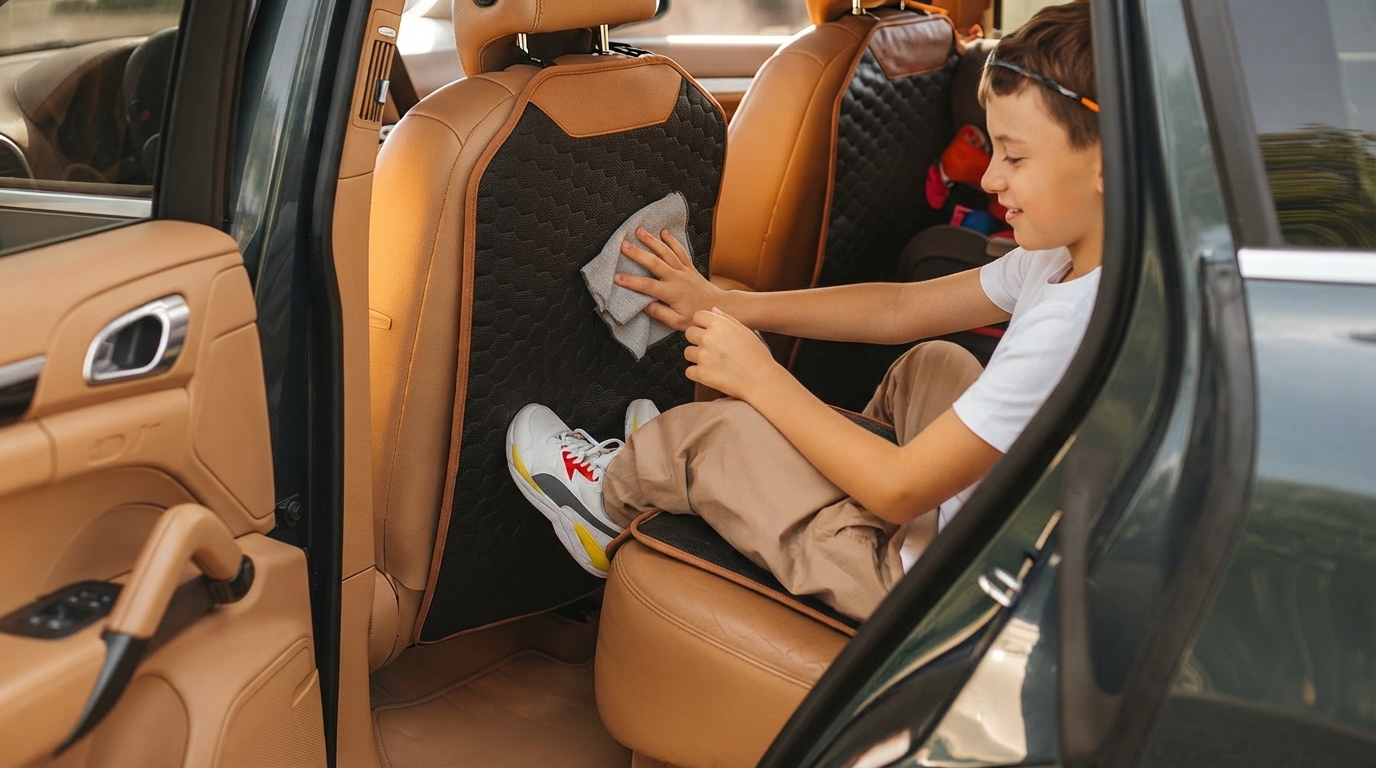
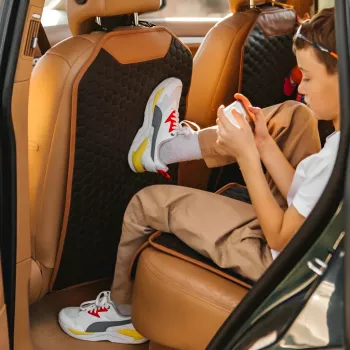
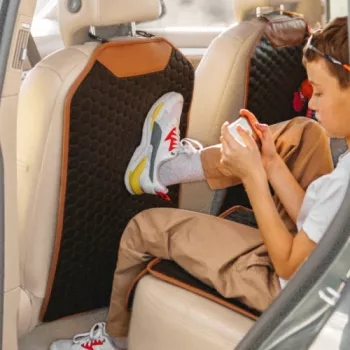
Shoes, strollers, pet paws, and everyday cargo can quickly mark up the back of front seats—especially on family road trips and daily commutes. An eco leather seat back protector creates a durable barrier against scuffs, dirt, and moisture while keeping the cabin looking tidy and easy to clean.
What a Seat Back Protector Helps Prevent
The back of a front seat is one of the most “touched” surfaces in a vehicle. A quality protector helps reduce the day-to-day wear that can make an interior look older than it is.
- Scuff marks from shoes and boots (kids’ feet are the most common culprit)
- Mud, salt residue, and sand tracked in from outdoor activities
- Scratches and abrasions from backpacks, sports gear, and car-seat hardware
- Stains and smudges on fabric or leather upholstery from spills and sticky hands
- Premature wear on frequently-touched areas of the seat back
Why Eco Leather Is a Practical Choice
When the goal is a cleaner look with less effort, eco leather (often a durable, wipeable synthetic leather) is a smart middle ground between thin fabric covers and heavy-duty rubberized mats.
- Wipe-clean surface: most messes lift with a damp cloth instead of deep scrubbing
- More structured feel than many thin fabrics, helping the protector lay flatter
- Helps resist moisture and grime compared with absorbent materials
- A cleaner look that suits many interiors, from everyday commuters to rideshare use
- Reduced “trap-and-grind” effect: dirt tends to sit on the surface rather than embedding
For routine cleaning guidance that prioritizes safer products and methods, the CDC’s general cleaning recommendations can be a helpful reference: CDC — How to Clean and Disinfect.
Fit and Compatibility Before Buying
Even the best material won’t help much if the protector sits too high, slides around, or misses the exact area where shoes usually land. A quick check before ordering can prevent the most common frustrations.
- Measure seat back height and width to ensure coverage where shoes typically land
- Confirm headrest/seat design supports secure attachment (especially for sporty seats)
- Consider rear-facing child seats: check that straps and edges don’t interfere with installation
- Plan for legroom: a protector should cover the main contact area without bunching
- If using in multiple vehicles, prioritize quick on/off installation
Common Protector Materials and When They Work Best
| Material | Best for | Trade-offs |
|---|---|---|
| Eco leather | Everyday scuffs, muddy shoes, quick wipe-downs, a cleaner interior look | Can feel warmer to the touch; surface may show dust until wiped |
| Nylon/polyester | Lightweight protection, budget setups, occasional use | Can absorb stains; may wrinkle or shift if not secured well |
| Rubberized/TPU-backed | Heavy-duty moisture resistance, frequent messes | May look more utilitarian; can trap heat or leave impressions if poorly designed |
| Quilted fabric | Added cushioning, general protection for light mess | Harder to fully clean; stains can set and require washing |
Installation Tips for a Neat, Secure Setup
A tidy installation does more than look good—it helps keep the protector from creeping upward, curling at the edges, or interfering with seat adjustments.
- Wipe the seat back first so straps and contact points sit flush and don’t slide on dust
- Center the protector at typical shoe height (often mid-to-lower seat back for kids)
- Tighten straps gradually, smoothing wrinkles as tension increases
- Check for interference with seat movement and adjust so it doesn’t snag on rails
- Recheck tension after the first drive—new straps can settle and loosen slightly
If you’re installing around child safety seats, follow the car seat and vehicle guidance to maintain correct fit and safety. The National Highway Traffic Safety Administration is a reliable source for car-seat basics: NHTSA — Car Seats and Booster Seats.
Cleaning and Care for Long-Lasting Use
Eco leather protectors are popular because upkeep is straightforward. The key is to clean earlier rather than later—especially when grit like sand or road salt is involved.
- Routine: wipe with a soft, damp cloth to remove dust and fresh scuffs
- For tougher grime: use a mild soap solution; avoid harsh solvents that can dull the finish
- Dry with a microfiber cloth to prevent streaks and reduce dust attraction
- If exposed to salt or sand, wipe sooner to reduce abrasive rubbing
- Store flat or loosely rolled when not in use to avoid creases
Everyday Use Scenarios: Kids, Pets, and Commutes
If pet hair is part of the daily routine, pairing a seat-protection setup with a simple grooming tool can cut down on shedding in the cabin. Consider the Pet Grooming and Deshedding Glove for quick touch-ups before rides.
Featured Option: Premium Eco Leather Car Seat Back Protector
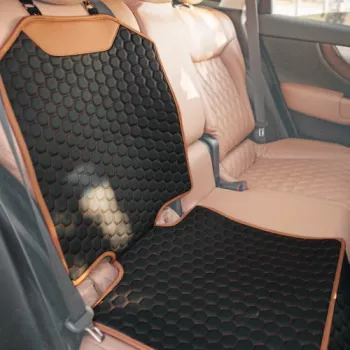
For a clean, wipeable barrier that blends into most interiors, the Premium Eco Leather Car Seat Back Protector is designed to handle the daily realities of commuting and family travel.
FAQ
Will a seat back protector work with child car seats?
In many vehicles, yes—provided the protector does not block belt paths, LATCH anchors, or any required contact points for correct installation. For rear-facing seats especially, confirm the protector’s straps and edges won’t interfere, and always follow both the car-seat and vehicle manuals.
How do scuff marks come off eco leather?
Start with a microfiber cloth lightly dampened with water, wiping gently in one direction. If marks persist, use a small amount of mild soap solution, then wipe again with clean water and dry with a microfiber cloth; avoid abrasive pads and strong solvents, and spot-test any cleaner first.
Does a seat back protector stop dents or pressure marks?
It mainly protects against scuffs, dirt, and surface wear, and may reduce minor rubbing damage. It won’t fully prevent pressure impressions from hard or sharp objects, so it’s still best to load gear carefully and avoid pressing edges into the seat back.









Leave a comment