Self-Cleaning Detangling Brush for Scalp Massage
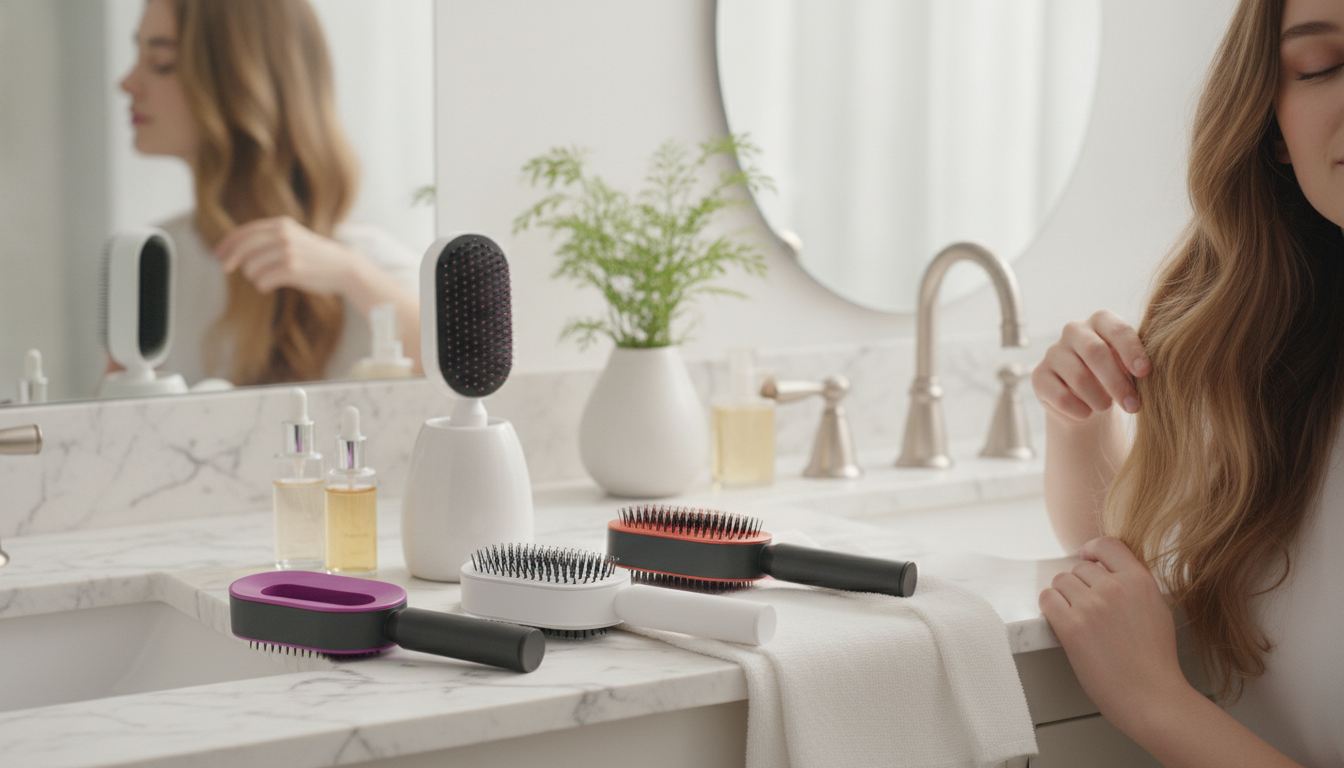
Detangling Scalp Massage Hair Brush with One‑Key Self‑Cleaning Feature: Smoother Hair, Cleaner Brush
A detangling brush should make wash days and styling easier—not add more cleanup. A scalp-massage detangling brush with a one-key self-cleaning feature is built for two common pain points at once: minimizing tugging while brushing, and making it faster to remove shed hair afterward. If knots, product buildup, or a hair-packed brush have been slowing down your routine, this style of brush can help keep detangling comfortable and maintenance more consistent. For more guidance, see On Hair Care Physicochemistry: From Structure and Degradation to ….
What Makes This Brush Different
This brush combines three practical functions—detangling, scalp-friendly brushing, and quicker hair release—so you can move from wash to style with less friction. For further reading, see 3D Air Cushion Scalp Massage Self-Cleaning Hair Brush – MY ….
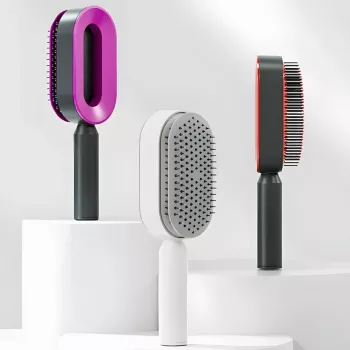
- Detangling-focused bristle design: The bristle layout is intended to work through knots with less snagging and pulling, especially when you detangle in sections.
- Scalp-massage action: A gentle massage-like feel can make brushing more comfortable and can help distribute products closer to the roots when needed.
- One-key self-cleaning mechanism: Instead of manually picking strands out of the bristle bed, a button mechanism helps lift and release collected hair for faster cleanup.
- Everyday routine fit: Useful for post-shower detangling, spreading leave-in conditioner, and light dry brushing when you want quick smoothing.
For healthy hair habits overall—especially around daily handling and minimizing breakage—basic hair-care guidance from the American Academy of Dermatology Association is a helpful reference point.
How the One‑Key Self‑Cleaning Feature Helps
Many brushes detangle well but become a chore to maintain. The self-cleaning button is less about “never washing your brush again” and more about removing the most annoying part—trapped hair—so you’re more likely to keep the brush clean between deeper washes.
- Faster cleanup after detangling: Shed strands can be released in a more efficient step than pulling them out clump-by-clump.
- More consistent performance: Keeping the bristle area clearer reduces the drag that can happen when hair builds up over multiple sessions.
- Better hygiene with styling products: Creams, oils, and gels can encourage buildup; clearing hair first makes rinsing and wiping easier.
- Less temptation to “brush anyway”: A bristle bed packed with hair can increase tugging, especially when you hit thicker areas or knots.
Self-cleaning vs. standard brush cleanup
| Task | Standard brush | One-key self-cleaning brush |
|---|---|---|
| Remove trapped hair | Pull hair out by hand (often in small clumps) | Press the button to lift/release hair more quickly |
| After-product cleanup | May require extra picking before washing | Easier to clear hair before a rinse or wipe-down |
| Routine maintenance | Often delayed because it feels tedious | More likely to be done after each use |
| Mess management | Loose hairs can scatter during removal | Hair can come off in a more controlled bundle |
Who It’s Best For
This brush style is especially useful for anyone who detangles often or sheds into their brush quickly.
- Frequent detanglers: If you brush daily or after every wash, quicker hair removal can make a noticeable difference over time.
- Thick, wavy, curly, or long hair: These hair types often collect more shed strands in the bristles during detangling.
- Product users: If you regularly use leave-ins, creams, or oils, easier maintenance helps keep residue from compounding.
- Sensitive scalps: A gentler, massage-like brushing feel can be more comfortable than stiff, scratchy bristles.
It’s also normal to notice hair shedding in the brush, especially around wash day. For a deeper look at shedding versus hair loss concerns, the Cleveland Clinic overview on hair loss and shedding provides helpful context.
How to Use It for Comfortable Detangling
Technique matters as much as the tool. The goal is to reduce tension on the hair shaft and avoid yanking knots from the root area.
- Start with damp hair when possible: Use conditioner in the shower or a detangling spray after rinsing to add slip.
- Section your hair: Smaller sections reduce the size of tangles you’re asking the brush to handle at once.
- Begin at the ends: Work upward toward the roots gradually so you’re not tightening the knot as you go.
- Use light pressure: Let the brush glide; if you feel sharp resistance, pause and take smaller passes.
- Finish with the self-cleaning step: After brushing, press the one-key button to release collected hair and discard it before storing.
If you’re using leave-in products, a slow, gentle pass can also help distribute product evenly—without concentrating it in one spot near the scalp.
Cleaning and Care
Small Routine Upgrades That Pair Well
Product Details and Where to Get It
If you want everyday detangling plus faster cleanup in one tool, the Detangling Scalp Massage Hair Brush with One‑Key Self‑Cleaning Feature is available now for $7.91 (USD) and is currently in stock.
For anyone who does quick touch-ups on the go (or keeps hair tools in the car), a simple way to protect upholstery from stray strands and product smudges is the Premium Eco Leather Car Seat Back Protector, also in stock.
FAQ
Can this brush be used on wet hair?
Yes—wet or damp hair is often ideal for detangling, especially with conditioner or a detangling spray for slip. Use gentle pressure, work from ends upward, and avoid forcing the brush through knots.
How often should the brush be cleaned if styling products are used?
Remove hair after every use, then wash more deeply weekly or more often if you notice buildup from creams or oils. Let the brush dry completely before storing it.
Does the self-cleaning button replace washing the brush?
No. The button mainly helps release trapped hair quickly; periodic washing is still needed to remove residue and keep the brush fresh.








Leave a comment